





BPT
The sudden onset of stroke symptoms can happen to anyone at any time, making education about the signs and symptoms of a “brain attack” the first line of defense to stroke prevention.
“I’m a fanatical fan of football, so you can imagine how excited I was to enter the stadium to see my favorite team play; but I lost my balance and fell. I’m lucky the people near me jumped into action and called 911,” recalled stroke survivor William Martin. “They are the real heroes in my medical emergency story; they knew the signs of a stroke.”
Stroke is the second leading cause of death and third leading cause of disability worldwide. Today, only 10% of stroke survivors make a full recovery and 25% recover with minor impairments. Forty percent of survivors experience moderate to severe impairments that require special care. Strokes are common and deadly, but the good news is almost all strokes can be prevented.
What is stroke?
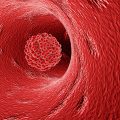
A stroke happens when the blood vessels carrying nutrients to the brain either form a clot or rupture, causing a sudden blockage in the arteries leading to the brain. When that happens, part of the brain cannot get the blood (and oxygen) it needs, so it and brain cells die.
How to prevent stroke
Generally, there are three treatment stages for stroke: prevention, therapy immediately after stroke and post-stroke rehabilitation. Engaging in active prevention is the most effective treatment.
What can you do to prevent stroke?
1. Monitor your blood pressure
2. Control your cholesterol
3. Keep your blood sugar down
4. Keep active
5. Eat healthy
6. Lose weight if necessary
7. Do not smoke
8. Talk to your physician about aspirin and other medications
In the event of stroke: Act F.A.S.T
“Every minute from the time the stroke occurs to when you receive treatment makes a difference,” said neurointerventional radiologist at St. Luke’s Hospital of Kansas City Jared Halpin, M.D. “Many types of stroke are now treatable with emergency medical interventions to either quickly dissolve or remove the blood clot or stop the bleeding that is causing symptoms.”
Seek treatment, F.A.S.T. Follow the acronym below to check for signs of stroke:
• FACE drooping: Does one side of the face droop or is it numb? Ask the person to smile. Is the person’s smile uneven or lopsided?
• ARM weakness: Is one arm weak or numb? Ask the person to raise both arms. Does one arm drift downward?
• Speech: Is speech slurred? Is the person unable to speak or hard to understand? Ask the person to repeat a simple sentence.
• Time to call 9-1-1: If the person shows any of these symptoms, even if the symptoms go away, call 9-1-1 and get them to the hospital immediately.
“My doctor restored the blood flow in my brain by threading a tube through an artery in my leg and used a medical device called Solitaire X to remove the clot. I was surprised I didn’t need brain surgery,” said Martin. “The best part – I watched the final quarter of the game on TV while in the hospital recovery room.”
Eighty million people have survived strokes worldwide. For more information on stroke prevention tips and treatment options, visit the Medtronic Stroke Heroes page at https://global.medtronic.com/xg-en/c/neurological/world-stroke-day.html.








Leave a Comment