






BPT
If you’re not coping with the symptoms of sleep apnea yourself, you likely know someone who is.
The condition caused by interrupted breathing during sleep has become rampant in the past couple of decades. In fact, the American Academy of Sleep Medicine estimates that 26% of adults between the ages of 30 and 70 – some 25 million Americans – are dealing with the serious health condition.
Despite that prevalence, according to the American Sleep Apnea Association, 80% of moderate and severe obstructive sleep apnea cases in the U.S. go undiagnosed. One reason for this is that common myths around sleep apnea create confusion and keep many people from fully understanding the condition, which discourages them from asking their doctor about it, or seeking out effective treatment.
To help better inform people who could unknowingly be suffering from obstructive sleep apnea, here’s a roundup of the five most common misconceptions out there when it comes to the abnormal breathing problem.
Myth No. 1: Sleep apnea may affect your sleep, but it’s basically harmless.
Not true. Complications of sleep apnea can include high blood pressure, heart problems, type 2 diabetes, metabolic syndrome or liver problems. Daytime fatigue resulting from sleep apnea can also contribute to irritability, difficulty concentrating or depression, and put you at greater risk of motor vehicle and workplace accidents. Those with sleep apnea can also be subject to additional complications when they must have surgery, be administered anesthesia or take other medications.
Myth No. 2: CPAP machines are bulky, cumbersome and a hassle to use.
While CPAP machines – machines designed to help people suffering from sleep apnea breathe more easily and without interruption through the night – may have been bulky in the past, newer models are significantly lighter and easier to transport.
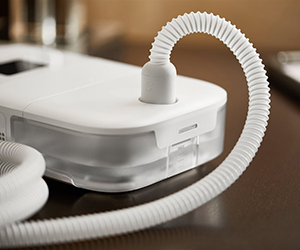
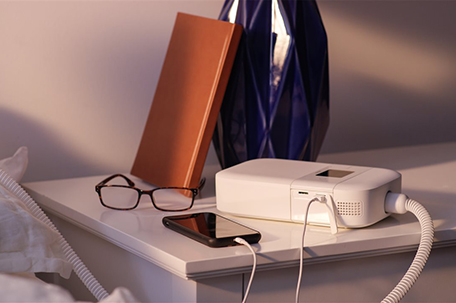
For example, Philips DreamStation Go is a compact and highly portable CPAP system engineered to be sleek and lightweight. The newly developed model offers the same high-performance therapy and comfort as your home device, but uses small, micro-flexible tubing designed to give users freedom of movement as they sleep. The system also runs on a rechargeable battery, so users of the device don’t have to think twice before packing it up in their travel bag.
Available by prescription, Philips DreamStation Go is easy to operate thanks to advanced features including built-in USB charging port, Bluetooth connectivity and compatibility with Philips DreamMapper – a mobile and desktop app that lets users monitor their own therapy while on-the-go. Whether you’re at home or on-the-go, DreamStation Go is the everyday adventure CPAP you want by your bedside.
Myth No. 3: Only obese people get sleep apnea.
While more than half of people with obstructive sleep apnea are categorized as either overweight or obese, the causes of the sleep disorder are complex and are not boiled down to just one factor. In fact, lean, physically fit people can also develop the condition. Additionally, after the age of 60, the impact of BMI on sleep apnea is less significant. As a result, people free of any weight-related health issues should not assume that they are safe from contracting sleep apnea and should still maintain a degree of vigilance when it comes to monitoring their levels of sleep and daytime fatigue.
Myth No. 4: If you don’t snore, you don’t have sleep apnea.
Up to 20% of patients who have sleep apnea don’t snore. Still, you may find yourself gasping for air, choking or struggling to breathe normally as you sleep. “The strongest sign is if someone tells you they’ve seen you stop breathing during sleep – called ‘witnessed sleep apnea,’” explains a Johns Hopkins sleep expert.
Myth No. 5: Only older people suffer from sleep apnea.
Not so. While the disorder is more common after age 40, it can affect people of all ages – even children.
Additionally, there are other factors besides age that can affects peoples’ risk of getting sleep apnea. Studies show that risk ramps up if you’re male, overweight, African American or Latino. Sleep apnea can also run in families, making some genetically pre-disposed to the condition.
Sleep apnea can be a serious condition but understanding its symptoms and keeping up on the best treatments available are the first steps toward managing it effectively. Learn more about the Philips DreamStation Go, one of Philips’ most lightweight and discreet travel CPAP machines, at Philips.com/DreamStationGo.







Leave a Comment