






BPT
When a patient is battling cancer, good nutrition is essential to maintain physical strength and help ensure a better response to treatment. Foods high in protein are an important part of your loved one’s balanced diet, and helping them eat well is a critical investment in their health and well-being.
That said, there may be obstacles to good nutrition during cancer treatment such as mouth pain, fatigue, taste sensitivities and nausea. If eating and drinking are painful or unpleasant, it’s easy to see how maintaining good nutrition could be a challenge. This can lead to a chain reaction of complications and a longer recovery time.
“Most cancer patients are too tired to make a meal, or even shop for it. Yet the importance of good, consistent nutrition can’t be overstated,” said Dr. Bruce Moskowitz, physician and chairman of the Cancer Nutrition Consortium (CNC), a nutrition resource to help patients overcome the barriers to eating and get the nutrients they need, including proteins, fats and carbohydrates.
Below are four common barriers to good nutrition, why they happen and some solutions to keep in mind. Arming yourself with knowledge and preparation, while also maintaining a sense of normalcy around food, will allow you to be a huge source of support for your loved one, helping him or her stay on track.
 1. Fatigue
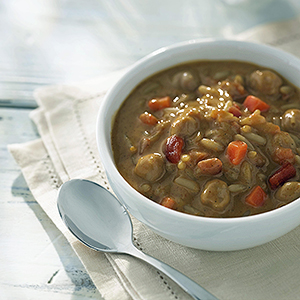
Many cancer patients identified themselves as the main food preparer in their household, in a survey conducted by the CNC. On good days, your loved one may be in the kitchen, preparing and enjoying a tasty bean and vegetable soup from scratch. However, some days they might feel too tired to fix a meal. A lack of food can lead to even more fatigue, and that can trigger a downward spiral.
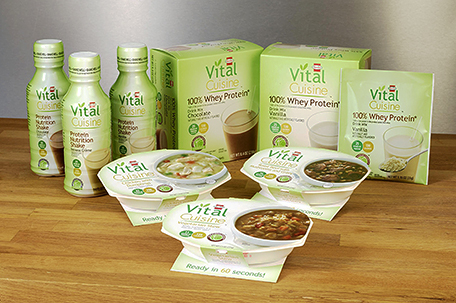
Keep a stock of nutrient- and protein-rich foods on hand for the too-tired days. One option is Hormel Vital Cuisine products, a line of power-packed drinks and packaged foods designed by nutritionists, physicians and chefs to fill a void and support the nutritional needs of cancer patients, while battling common barriers to good nutrition.
2. Mouth pain/trouble swallowing
Run your tongue along your inner cheek and gums. Those are brand new cells made by the body. Because chemotherapy and radiation damage cells, these mouth cells are often a casualty during treatment, resulting in sores that make it uncomfortable or even painful to eat.
Avoid tart and acidic foods that can irritate the mouth, such as citrus fruits and tomato sauces. Steering clear of hard foods with rough edges, such as crackers, is also wise. Soft, easy-to-swallow foods are good options, such as eggs, bean soups or smoothies.
3. Taste sensitivities
Again, the disruption to the rapidly dividing cells inside the mouth can alter the flavor of food. Patients often experience a metallic taste, but sometimes, flavor components that are salty or bitter can intensify – unpleasantly so. Radiation can also damage saliva glands.
When foods taste bitter, metallic or too salty, try a sweeter approach and marinate meats in a sweet or sour sauce, fruit juice or a honey-lemon vinaigrette. If a food is too sweet, add salt or dilute it in water. Stimulate the taste buds and saliva glands with sour foods: avoid pickles, but try wholesome options such as Greek yogurt, kefir or tart cherries.
4. Nausea and vomiting
Besides being a common side effect of chemotherapy and radiation, cancer patients are often plagued with a condition called anticipatory nausea. That is, certain settings or circumstances, such as entering a treatment room, can make your loved one feel ill. Be aware of triggers and respect them, taking advantage of nausea-free days.
Encourage fluid intake in between meals rather than with meals, to leave room in the stomach for food. A few hours before radiation or chemotherapy, prepare a light snack or meal to get nutrients and protein into the body. If the doctor prescribes an anti-nausea drug, keep close tabs on how well it’s working, advocating for alternatives if needed.









Leave a Comment